Follow Me On Social Media!

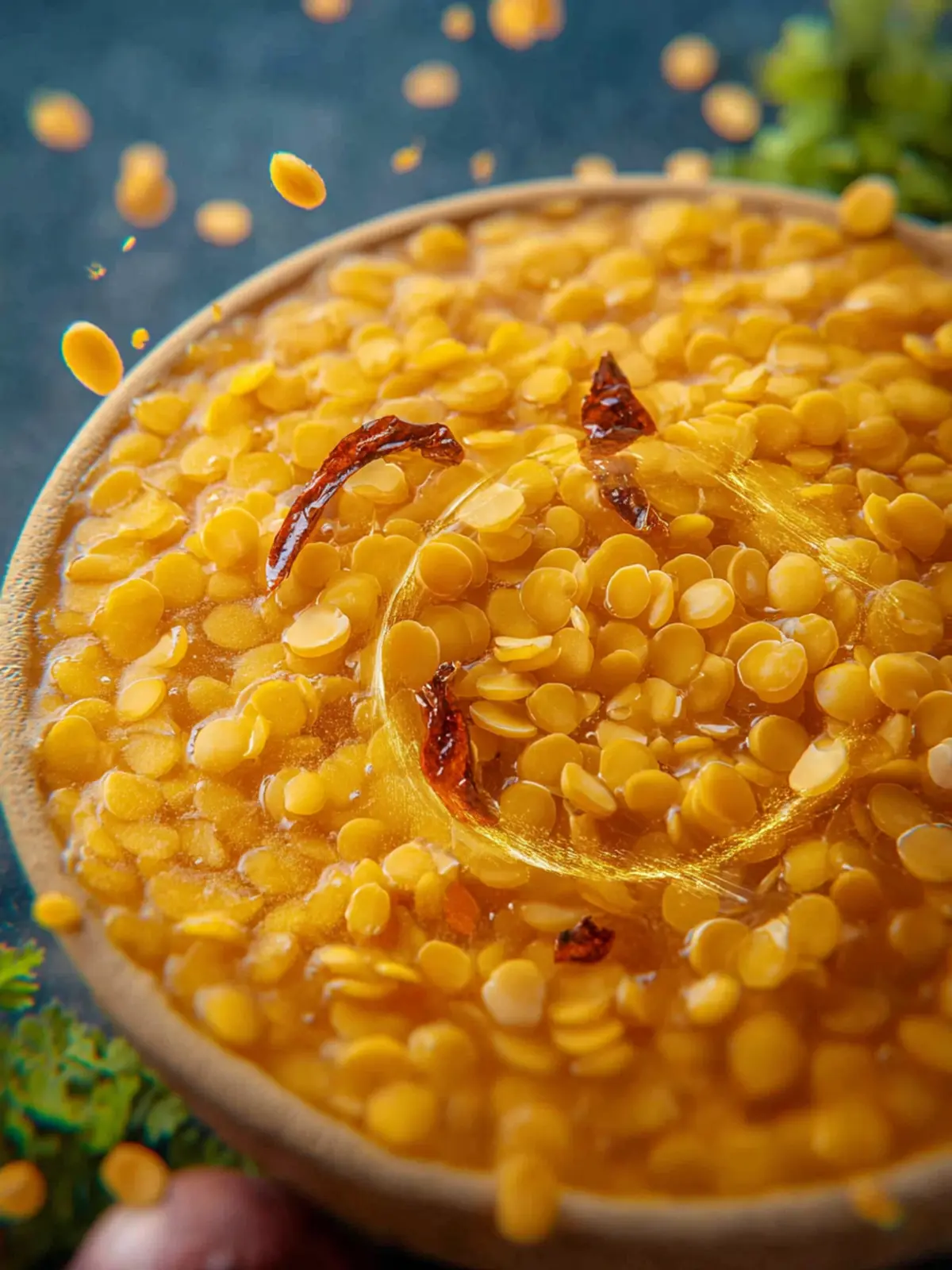
Yellow Moong Dal Magic: Easy Comfort Food You’ll Love

Introduction to Yellow Moong Dal
Imagine a dish so versatile yet nourishing that it finds a beloved spot on dinner tables across the globe. Yellow moong dal, a staple in many homes, isn’t just another lentil; it’s a comfort food that marries nutrition with flavor beautifully. From bustling kitchens in India to health-conscious meals around the world, yellow moong dal has become a game-changer for those looking to make quick yet wholesome meals.
What sets yellow moong dal apart is its incredible adaptability. This tiny legume is packed with protein, vitamins, and minerals, making it a fantastic vegetarian source of nutrition. Whether you’re a seasoned cook or a busy young professional navigating the kitchen after a long day, preparing yellow moong dal is simple and rewarding. With a gentle flavor that complements various spices and vegetables, it can seamlessly weave into soups, stews, or be served as a standalone dish with rice or flatbreads.
What is Yellow Moong Dal and Why Is it a Game-Changer?
Yellow moong dal, also known as split yellow mung beans, is a type of lentil that cooks quickly and requires minimal soaking. This makes it perfect for last-minute cooking, allowing you to whip up a healthy meal even on the most hectic days. It has a soft texture when cooked, creating a delightful consistency that absorbs flavors like a sponge. Once you taste it, you’ll understand why many consider it an essential pantry staple.
The benefits of incorporating yellow moong dal into your meals go beyond convenience. Not only is it rich in protein and fiber, but it also aids in digestion and has a low glycemic index, making it a smart choice for anyone watching their blood sugar levels. With its heart-healthy properties, yellow moong dal can easily assist your dietary goals while satisfying cravings for hearty, satisfying meals.
So, are you ready to experience the magic of yellow moong dal? Let’s embark on this culinary journey together and explore a delightful recipe that showcases this marvelous ingredient!

Key Ingredients for Yellow Moong Dal
Yellow moong dal, a staple in Indian kitchens, can transform a simple meal into a comforting feast. Its rich, nutty flavor and creamy texture make it a popular choice for both weekday dinners and festive occasions. Here’s a breakdown of the key ingredients that will make your yellow moong dal truly shine.
-
Yellow Moong Dal: The star ingredient, of course! I recommend using split yellow moong dal for its quick cooking time and delightful creaminess. It’s also packed with protein and is easy to digest, making it a perfect choice for a nourishing meal.
-
Onions: Chopped onions add a sweet and savory depth to the dish. They become wonderfully caramelized, enriching the overall flavor profile.
-
Tomatoes: Fresh, ripe tomatoes are essential for that tangy kick. They blend effortlessly with the spices and dal, creating a harmonious balance.
-
Spices: A combination of turmeric, cumin, and coriander powder is crucial. Turmeric not only adds vibrant color but is also known for its numerous health benefits.
-
Cilantro: Fresh cilantro adds a burst of color and flavor when garnishing. Its aromatic leaves can elevate the dish, giving it a fresh finish.
By focusing on these key ingredients, you’re well on your way to creating a delicious pot of yellow moong dal that your friends and family will adore. Cooking is all about bringing out the best flavors, and with these essentials in your pantry, you’re set for a delightful culinary adventure.
Why You’ll Love This Recipe
The Comforting Flavors of Home-Cooked Meals
There’s something incredibly soothing about a bowl of yellow moong dal. This dish evokes memories of family gatherings, where the aroma of lentils simmering in spices fills the air and encourages everyone to come together. It’s not just a meal; it’s a warm embrace on a chilly evening or a remedy for a busy day.
What makes yellow moong dal special is its delightful simplicity. The combination of earthy lentils with spices creates a rich, hearty flavor that’s both comforting and nourishing. The best part? It comes together quickly, making it the perfect choice for a weeknight dinner. Imagine coming home after a long day at work, and within minutes, you’ve whipped up a bowl of warmth that’s as satisfying as it is wholesome.
Additionally, this recipe is highly versatile. You can enjoy it with rice, chapatis, or even on its own as a protein-packed soup. It’s the kind of dish that encourages experimentation — add a squeeze of lemon for brightness or toss in some spinach for an extra dose of greens.
With yellow moong dal, every bite tells a story, making it a cherished staple in any kitchen. Whether you’re a novice cook or a seasoned chef, you’ll find joy in creating this timeless dish.
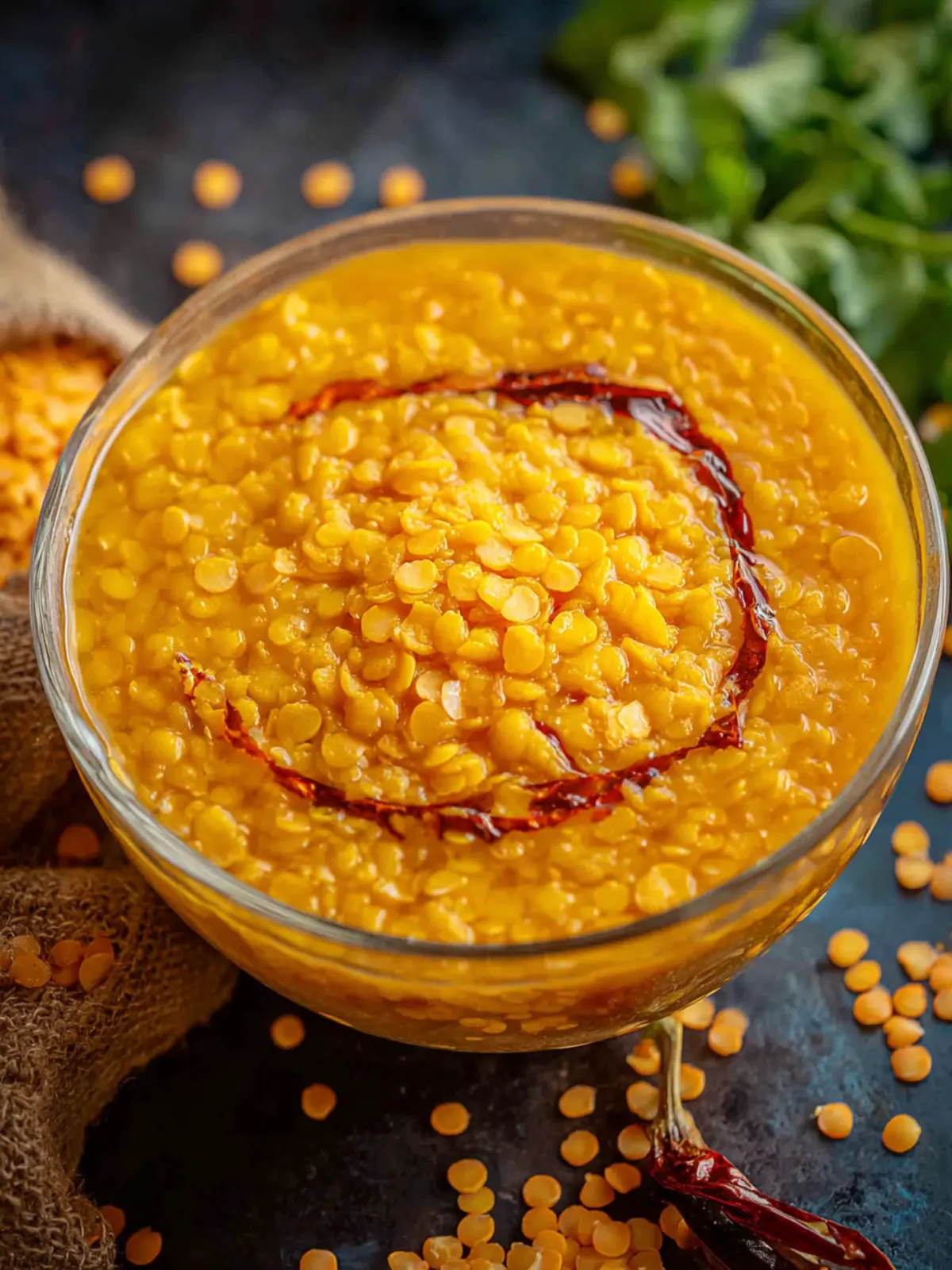
Variations of Yellow Moong Dal
Yellow moong dal is a versatile ingredient that serves as an excellent base for a variety of preparations, making it a staple in many kitchens. One of the joys of cooking with yellow moong dal is how easily it adapts to different flavors and ingredients, giving you the freedom to experiment in the kitchen.
Exploring Flavor Combinations and Additions
When it comes to enhancing the taste of yellow moong dal, the possibilities are genuinely exciting. Here are a few variations you might consider:
-
Vegetable Medley: Adding seasonal vegetables such as spinach, carrots, or zucchini will not only boost the nutritional quotient but also enhance the color and texture. A simple stir-in towards the end of cooking elevates the dish beautifully.
-
Lemon and Herbs: A splash of fresh lemon juice and a handful of chopped cilantro can brighten the dish. The fresh herbs add a sophisticated touch, perfect for those dinner parties.
-
Spicy Twist: For those who enjoy a kick, incorporate finely chopped green chilies or a dash of red chili powder. This variation will add depth and excitement to your yellow moong dal.
-
Coconut Milk: Substitute part of the water with coconut milk for a creamy and unique flavor profile. This will give your dal a rich texture, making it a fantastic accompaniment to rice or naan.
Each variation offers a unique taste experience, inviting you to explore the endless culinary adventures that yellow moong dal has to offer!
Cooking Tips and Notes for Yellow Moong Dal
When you decide to cook yellow moong dal, you’re not just preparing a dish; you’re embracing a wholesome tradition that has been cherished for generations. This versatile legume is not only packed with protein but also brings a delightful texture and flavor to your table. To ensure your yellow moong dal turns out perfectly every time, consider these helpful pointers.
Pointers for Perfecting Your Dal Every Time
-
Soaking: While yellow moong dal is quicker to cook than many other lentils, soaking it for about 30 minutes can help reduce cooking time and enhance its digestibility. It’s a simple step but can make a noticeable difference.
-
Water Ratio: Generally, use a 3:1 water-to-dal ratio for ideal consistency. If you prefer a thicker dal, you can reduce the water slightly. Alternatively, if you enjoy your dal on the soupier side, feel free to add a bit more water during cooking.
-
Cooking Time: Cooking your dal until it’s soft and mushy enhances flavor and texture. Aim for about 15-20 minutes on the stovetop, or use a pressure cooker for quicker results—just 3-4 whistles should do the trick!
-
Flavor Enhancements: Don’t shy away from adding spices. A little turmeric, cumin, and even a hint of chili can elevate the taste. For a finishing touch, drizzle a bit of ghee for richness.
-
Resting Time: Letting your dal rest for a few minutes after cooking allows flavors to meld beautifully. Trust me, the wait is worth it!
By following these tips, you’ll create a comforting and nourishing yellow moong dal that’s sure to impress, whether it’s a hurried weeknight dinner or a delightful weekend feast. Happy cooking!
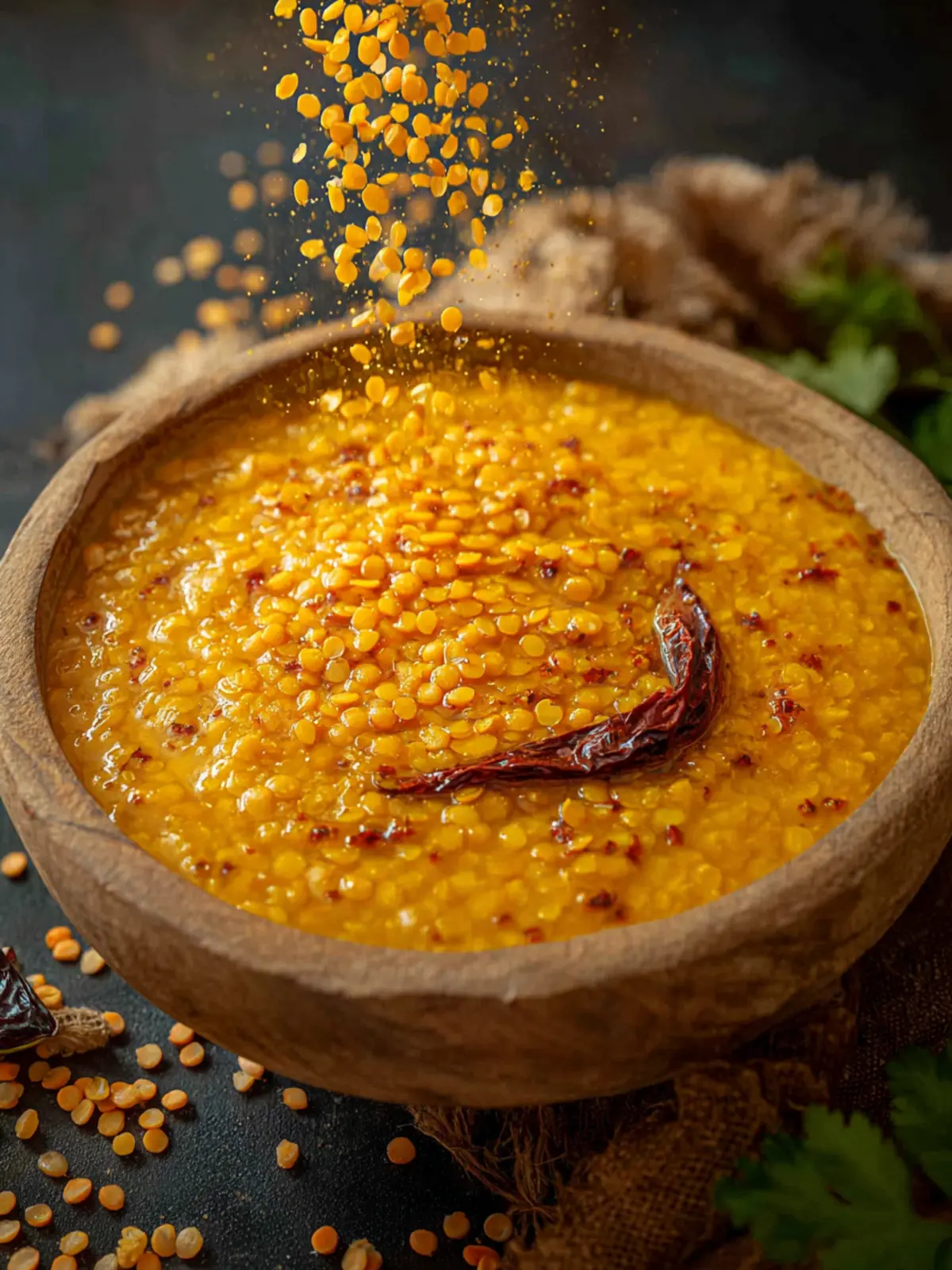
Serving Suggestions for Yellow Moong Dal
Ideal Accompaniments to Enhance Your Meal
Nothing warms the soul quite like a steaming bowl of yellow moong dal. This delightful dish, with its mildly nutty flavor and silky texture, serves as the perfect base for a variety of accompaniments. Beyond its comforting taste, yellow moong dal can elevate your meal to new heights with the right pairings.
-
Rice or Quinoa: A classic partner for yellow moong dal is steamed basmati rice or fluffy quinoa. The grains absorb the dal, creating a rich, satisfying blend that highlights the dish’s flavors.
-
Roti or Naan: For a more traditional touch, serve your dal with soft whole wheat roti or fluffy naan. The bread is perfect for scooping up the dal, making every bite an experience.
-
Vegetable Sides: Bright, sautéed greens like spinach or a crunchy vegetable stir-fry add a vibrant contrast. You can also consider serving a side of pickles or a fresh salad to bring in tanginess and crunch.
-
Yogurt: A dollop of plain yogurt or raita provides a cool, creamy balance, complementing the warmth of the spices in the dal.
-
Chutneys: Don’t forget a selection of chutneys! A zesty mint or tamarind chutney can add a unique flavor burst.
These accompaniments not only enhance the yellow moong dal but also create a well-rounded meal that’s sure to impress!
Time Breakdown for Yellow Moong Dal
Creating the perfect yellow moong dal is not just about the end result – it’s about enjoying the journey. Let’s break down the time you’ll need to prepare and cook this comforting dish.
Preparation Time
Getting ready to make yellow moong dal takes about 15 minutes. This includes rinsing and soaking the dal, chopping the vegetables, and gathering your spices, ensuring everything is prepped and ready for action.
Cooking Time
The cooking process for yellow moong dal will take approximately 30 minutes. This includes boiling the dal and simmering it with spices, allowing the flavors to meld beautifully.
Total Time
In total, you’ll dedicate about 45 minutes to enjoy a warm, soulful bowl of yellow moong dal, perfect for a nourishing meal any day of the week.
Nutritional Facts for Yellow Moong Dal
When you immerse yourself in the delightful world of yellow moong dal, you’re not just savoring a nourishing meal; you’re also indulging in a wealth of nutritional benefits. This versatile lentil is a staple in many kitchens, and for good reason.
Calories
In a standard serving of yellow moong dal, you can expect around 100 calories, making it a guilt-free addition to your plate. Its low calorie count means you can enjoy it without worrying about your daily intake.
Protein
What’s more, each serving packs a hearty punch of approximately 8 grams of protein. This makes yellow moong dal an excellent choice for those looking to increase their protein intake, especially for vegetarians or anyone wanting a wholesome meat alternative.
Fiber
Lastly, yellow moong dal boasts about 4 grams of fiber per serving, promoting digestive health and keeping you feeling full longer. Incorporating this nutritious lentil into your meals not only aids in digestion but also contributes to overall well-being.
By embracing yellow moong dal, you’re not just enjoying a delicious dish; you’re taking a step toward a healthier lifestyle!
FAQs About Yellow Moong Dal
Yellow Moong Dal is not just another lentil dish; it’s a powerhouse of nutrition wrapped in comfort. As you embark on your culinary journey to create this delightful dish, you might have a few questions. Let’s dive into some common queries about this wholesome ingredient.
How long does Yellow Moong Dal last in the fridge?
Once cooked, yellow moong dal can be stored in the refrigerator for up to 4-5 days. To keep it fresh, ensure it’s placed in an airtight container. If you notice any off smells or unusual colors, it’s best to discard it.
Can I make Yellow Moong Dal in advance?
Absolutely! Making yellow moong dal ahead of time not only saves you kitchen time but also allows the flavors to meld beautifully, enhancing its taste. You can prepare it a day or two in advance and simply reheat it before serving. This makes it a perfect option for meal prepping—combine it with rice or chapati for a balanced meal ready to go.
What are the health benefits of Yellow Moong Dal?
Yellow moong dal is a nutritional powerhouse! Here are some benefits:
- High in Protein: It contains around 24 grams of protein per 100 grams, making it a fantastic source for vegetarians and vegans.
- Rich in Fiber: This helps with digestion and keeps you feeling full longer, which is great for weight management.
- Low in Calories: With only 100 calories per serving, it’s a guilt-free addition to your meals.
- Packed with Vitamins & Minerals: It offers essential nutrients like magnesium, potassium, and B vitamins, crucial for overall health.
Incorporating yellow moong dal into your diet is a smart choice for both taste and wellness!
Conclusion on Yellow Moong Dal
Yellow moong dal is not only a delightful addition to your table but also an incredibly nourishing choice for any meal. For those of us navigating busy professional lives, finding a nutritious and easy go-to meal can feel challenging. Fortunately, yellow moong dal simplifies that hunt. Packed with protein and fiber, it supports a balanced diet while offering a creamy texture and versatile flavor.
Whether paired with rice, roti, or enjoyed solo, this dish has proven to be a favorite in my kitchen. Next time you’re in need of a comforting yet healthful option, consider making yellow moong dal—your body and taste buds will thank you!
Print
Yellow Moong Dal
- Total Time: 40 minutes
- Yield: 4 servings 1x
- Diet: Vegetarian
Description
A delicious and nutritious yellow moong dal recipe perfect for a quick meal.
Ingredients
Scale
- 1 cup yellow moong dal (dhuli moong dal, split and skinned yellow lentil)
- ½ teaspoon turmeric powder
- 2 teaspoons salt (or to taste)
- 1 tablespoon freshly squeezed lime juice
- 2 tablespoons ghee
- ¼ teaspoon asafetida (hing) (skip for gluten-free)
- 1 teaspoon cumin seeds
- 1 teaspoon finely chopped garlic
- 1 teaspoon Kashmiri red chili powder
Instructions
- Wash moong dal with water 2-3 times until the water runs clear.
- Soak it in 3-4 cups of water for 30 minutes.
- Drain the water. Add the soaked dal to the Instant pot along with 3 cups of water, turmeric powder, and salt and stir gently.
- Close the lid of the pot and set the valve to the sealing position.
- Press PRESSURE COOK and set the timer to 10 minutes at HIGH PRESSURE. The instant pot will take some time to build the pressure and the timer to start.
- Once the timer goes off, let the pressure release naturally for 10 minutes.
- Release the remaining pressure manually by moving the valve to the venting position.
- Open the lid of the pot. Add lime juice and mix well.
- Add some more water if the dal is too thick. Check for salt and add more if needed. Keep in mind that it will continue to thicken once it starts to cool down. If you have added more water, then press the SAUTE button and bring the dal to a boil.
- To cook the dal in a traditional Indian pressure cooker, increase the amount of water to 4 cups and cook on high heat for one whistle. Then reduce the heat to low and cook for 10 minutes.
- Remove the cooker from heat and let the pressure release naturally.
- Open the lid of the pot. Add lime juice and mix well.
- Add some more water if the dal is too thick. Check for salt and add more if needed.
- Heat ghee in a small pan over medium-high heat.
- Once the ghee is hot, add asafetida and cumin seeds and let them crackle for 4-5 seconds.
- Add garlic and fry until lightly browned (40-50 seconds), stirring frequently.
- Switch off the heat and add chili powder to the pan. Immediately remove the pan from the heat. This step is important to prevent the chili powder from burning.
- Pour the tempering immediately over the warm dal and mix well. Serve hot.
Notes
- This dal thickens as it cools, so adjust the consistency with water as needed.
- For a gluten-free option, omit asafetida.
- Prep Time: 10 minutes
- Cook Time: 30 minutes
- Category: Main Dish
- Method: Instant Pot / Traditional Pressure Cooker
- Cuisine: Indian
Nutrition
- Serving Size: 1 cup
- Calories: 200
- Sugar: 1 g
- Sodium: 400 mg
- Fat: 10 g
- Saturated Fat: 3 g
- Unsaturated Fat: 7 g
- Trans Fat: 0 g
- Carbohydrates: 30 g
- Fiber: 8 g
- Protein: 12 g
- Cholesterol: 0 mg